



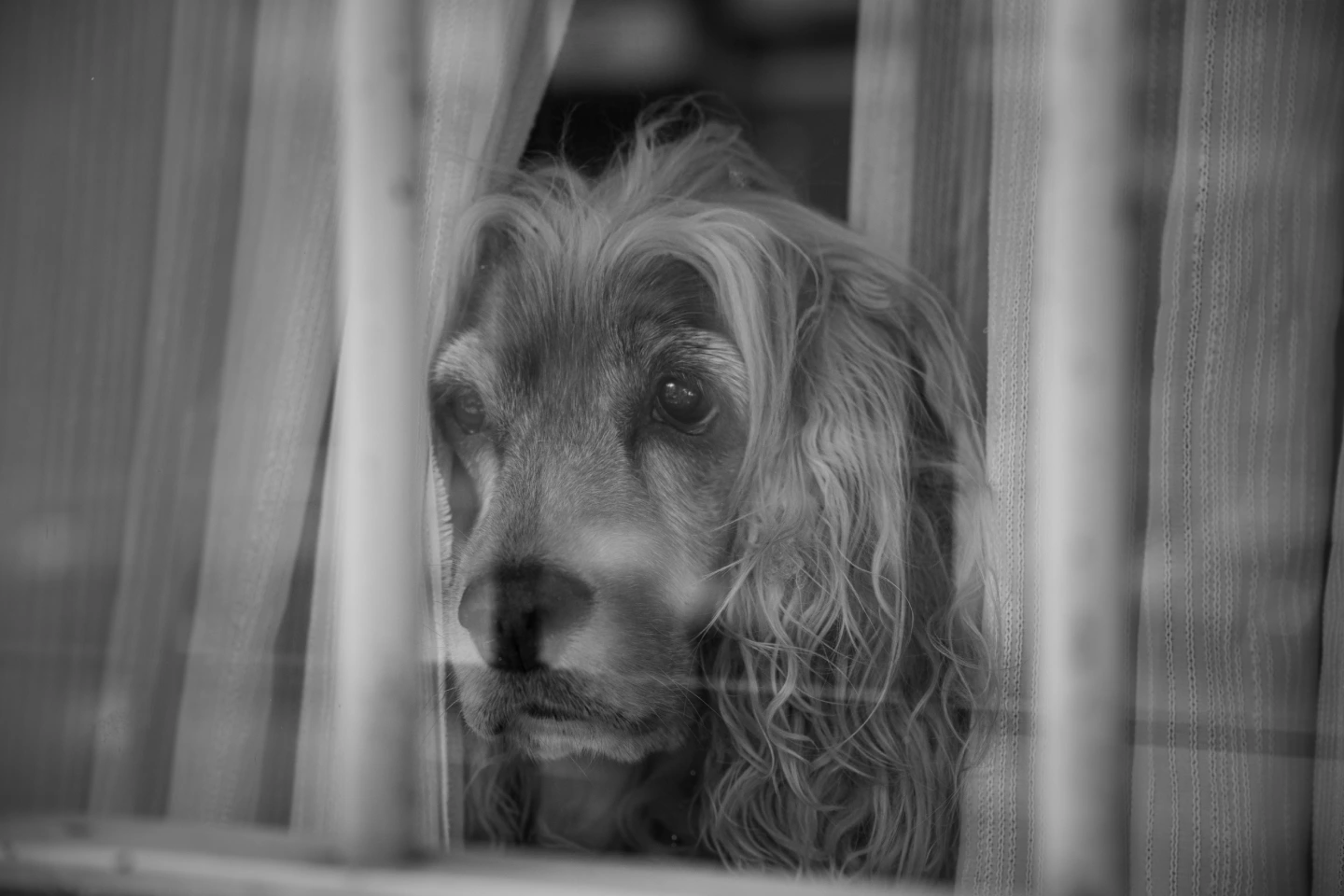
Separation Anxiety in Dogs: Signs, Causes, and How to Fix It
Separation anxiety is one of the most distressing things a dog owner can deal with. You leave for work, and your neighbor texts to say your dog has been barking for an hour. You come home to a chewed door frame and a couch cushion in pieces. Your dog won’t let you leave a room without following you from corner to corner. It’s exhausting, it’s heartbreaking, and for a lot of owners, it starts to feel like there’s no way out.
The good news is that separation anxiety is treatable. It takes time and consistency, and in more serious cases, professional intervention makes a significant difference. But dogs that seem completely unable to cope on their own can and do learn that being alone is okay. Understanding what’s actually going on is the first step.
What Is Separation Anxiety in Dogs?
Separation anxiety is a behavioral condition in which a dog experiences significant distress when separated from the people (or sometimes other pets) they’re bonded to. It’s not misbehavior in the traditional sense. Your dog isn’t destroying the couch to punish you for leaving. They’re in a genuine state of panic, and the destruction, vocalization, or house soiling is a symptom of that panic, not a deliberate choice.
This distinction matters. Approaching separation anxiety with punishment tends to make things worse, not better. The dog that was already anxious about being alone now also has something negative to associate with your return. The anxiety deepens.
Signs of Separation Anxiety in Dogs
Separation anxiety looks different from dog to dog, but the most common signs include:
- Excessive vocalization when left alone: barking, whining, or howling that starts as soon as you leave or in anticipation of you leaving. Neighbors often notice this before owners do.
- Destructive behavior focused around exits: chewing door frames, scratching at doors or windows, destroying items near the entry points of your home. This is a dog trying to get out, not a dog that’s bored.
- House soiling in a dog that is otherwise reliably housebroken. If your dog consistently has accidents when left alone but never otherwise, anxiety is a likely contributor.
- Pacing, drooling, or panting when you’re getting ready to leave. Many dogs with separation anxiety start showing signs before you actually go, reacting to cues like picking up keys or putting on shoes.
- Shadowing — following you from room to room and showing visible distress when they can’t see you, even briefly. This is sometimes called “velcro dog” behavior, and while some level of this is normal, extreme versions can be a warning sign.
- Escape attempts that result in self-injury. Dogs with severe anxiety have been known to break through windows or injure their paws and mouths trying to claw through barriers. If you’re seeing this, get professional help immediately.
What Causes Separation Anxiety?
There isn’t a single cause, and often multiple factors are at play.
Lack of early independence
Lack of early independence training is one of the most common. Puppies that were never given the experience of being alone in a calm, positive way often grow into dogs that genuinely don’t know that being alone is survivable. The crate, used correctly, is one of the most effective tools for teaching puppies that solitude is normal and safe.
Change in routine
A significant change in routine is a very common trigger in adult dogs. Going from a house where someone was home all day (a stay-at-home parent, a remote worker, a period of unemployment) to a house that’s empty for 8 or 9 hours a day is a real shock to a dog’s system. The pandemic years created this exact scenario for a huge number of dogs.
Trauma
A traumatic experience or history of instability can make separation feel threatening. Rescue dogs that experienced abandonment, repeated rehoming, or unpredictable environments are statistically more prone to separation anxiety, though any dog can develop it.
Over-attachment
Over-attachment can also be a factor. Dogs that are constantly with their owner, rarely given space or time alone, never crated, always permitted on the furniture and in the bedroom, can become so dependent on human presence that its absence is destabilizing. This isn’t a criticism of close relationships with dogs. It’s a note that healthy independence needs to be practiced.
Breed predisposition
Breed predisposition plays a role for some dogs. Breeds that were developed to work closely with humans, such as Labrador Retrievers, Border Collies, and several herding and sporting breeds, tend to be more prone to separation-related behaviors.
True Separation Anxiety vs. Simulated Separation Anxiety
This is a distinction that matters practically. True separation anxiety involves genuine panic: elevated heart rate, cortisol flooding the body, a dog that cannot self-regulate when left alone. Simulated separation anxiety, sometimes called learned helplessness around departures, looks similar but is more about learned behavior and a lack of structure.
A dog with simulated separation anxiety has figured out that behaving badly when left alone gets a big reaction from their owner. The solution involves different work than true anxiety. A dog with true separation anxiety is in real distress and needs a more careful, graduated approach.
A professional trainer with experience in behavior modification can help you tell the difference.
How to Treat Separation Anxiety in Dogs
There’s no single fix, and the right approach depends on the severity of the anxiety and the individual dog. That said, a few principles apply across the board.
Start with independence at home. Before you can address what happens when you leave the house, your dog needs to be comfortable with some physical distance when you’re present. Practice having your dog stay on their Place bed while you move to another room. Build up duration gradually. You’re teaching them that being away from you is manageable, even when you’re nearby.
Desensitize departure cues. Many dogs begin spiraling before you’ve even left. They’ve learned that picking up keys means you’re about to go. Practice picking up your keys and then sitting back down. Put on your jacket and watch TV. Walk to the door and come right back. Repeated, unpaired exposure to these cues gradually reduces their ability to trigger a reaction.
Practice short absences. Leave for two minutes. Come back. Leave for five minutes. Come back. Build duration extremely slowly and never push the dog past its threshold — the point where anxiety tips from manageable to overwhelming. Threshold work is time-consuming, but it’s the only way to build genuine tolerance.
Use the crate as a positive tool. A dog that’s comfortable in a crate has a safe, contained space that can reduce both the anxiety itself and the risk of destructive behavior. Crate training for an anxious adult dog needs to go slowly and should always involve positive associations, never forced confinement.
Increase physical exercise and mental stimulation. A dog that has had a solid walk or active play session before being left alone has less physical energy available for anxiety. Mental work like training sessions, puzzle feeders, and sniff-work burns energy too. A tired dog is not automatically an anxiety-free dog, but it’s easier to work with.
When Should You Get Professional Help for Separation Anxiety?
If your dog’s separation anxiety is affecting your ability to live normally, if it involves self-injury or severe destruction, or if you’ve been working on it for weeks without seeing meaningful progress, professional guidance is the right call.
This is where board and train programs can be particularly valuable for separation anxiety. A dog enrolled in a residential program like our Canine Immersion program at American Canine Academy is spending weeks in a structured, professional environment where independence, calm behavior, and clear expectations are practiced every day. Trainers can observe the dog’s actual responses in a way that’s impossible to replicate through weekly 45-minute sessions, and they can apply consistent reinforcement across the entire day.
For dogs that have never known how to be calm alone, this kind of concentrated work can accomplish in weeks what might take months of home practice.
Denver board and train options vary quite a bit in approach and quality, so it’s worth asking any program directly how they address separation anxiety specifically, what a typical day looks like for an anxious dog, and what the transition-home process involves. The work done during a board and train program only holds if you know how to maintain it once your dog comes home.
What Happens After Board and Train?
Successful treatment of separation anxiety is always a combination of what happens in training and what happens at home. A dog can make enormous progress in a professional program and still struggle if the environment they return to hasn’t changed.
When a dog leaves our Canine Immersion program, we provide a thorough transition lesson so that owners understand the commands their dog knows, the tools being used, and the expectations they need to hold at home. Our Lifetime Canine Guarantee means that support doesn’t end at pickup. If behaviors resurface or you need a refresher, you have access to ongoing training for the life of your dog.
That kind of continuity matters with separation anxiety. It’s not always a one-and-done fix. Having a resource to call on when things get hard is genuinely useful.
A Note on Medication for Dog Separation Anxiety
In moderate to severe cases, medication prescribed by a veterinarian can be an appropriate part of the treatment plan. Medication alone won’t address the underlying behavior, but for a dog that is so anxious that it can’t engage meaningfully with training, it can lower the baseline enough to make behavior work possible.
If you suspect your dog’s separation anxiety is severe, a conversation with your vet alongside working with a qualified trainer is a reasonable approach.
Frequently Asked Questions About Separation Anxiety in Dogs
What are the first signs of separation anxiety in dogs?
Early signs include following you constantly from room to room, showing distress when you pick up keys or put on shoes, whining or pacing near the door, and barking or howling shortly after you leave.
Is separation anxiety in dogs curable?
Many dogs see significant improvement or full resolution with the right approach. Mild to moderate cases often respond well to structured independence training and desensitization. Severe cases may need professional intervention and, in some situations, veterinary support.
How long does it take to fix separation anxiety in dogs?
It depends on severity. Mild cases can improve noticeably in a few weeks with consistent work. More significant anxiety can take several months. Progress is rarely linear, and setbacks are normal. Consistency matters more than speed.
Does getting a second dog help with separation anxiety?
Sometimes, but often not. Separation anxiety is typically about separation from people, not from other animals. A second dog may reduce some symptoms in some cases, but it doesn’t address the underlying anxiety and can add significant complications if not well-managed.
Should I crate my dog if they have separation anxiety?
Crate training can be a helpful tool, but it needs to be introduced gradually and positively. Some dogs feel safer in a crate. Others find confinement more distressing. A professional trainer can help you determine which approach is right for your dog and how to introduce the crate correctly.
Will my dog grow out of separation anxiety on their own?
In most cases, no. Without any intervention, separation anxiety typically stays the same or gets worse. It’s not something dogs just outgrow.
COMMENTS